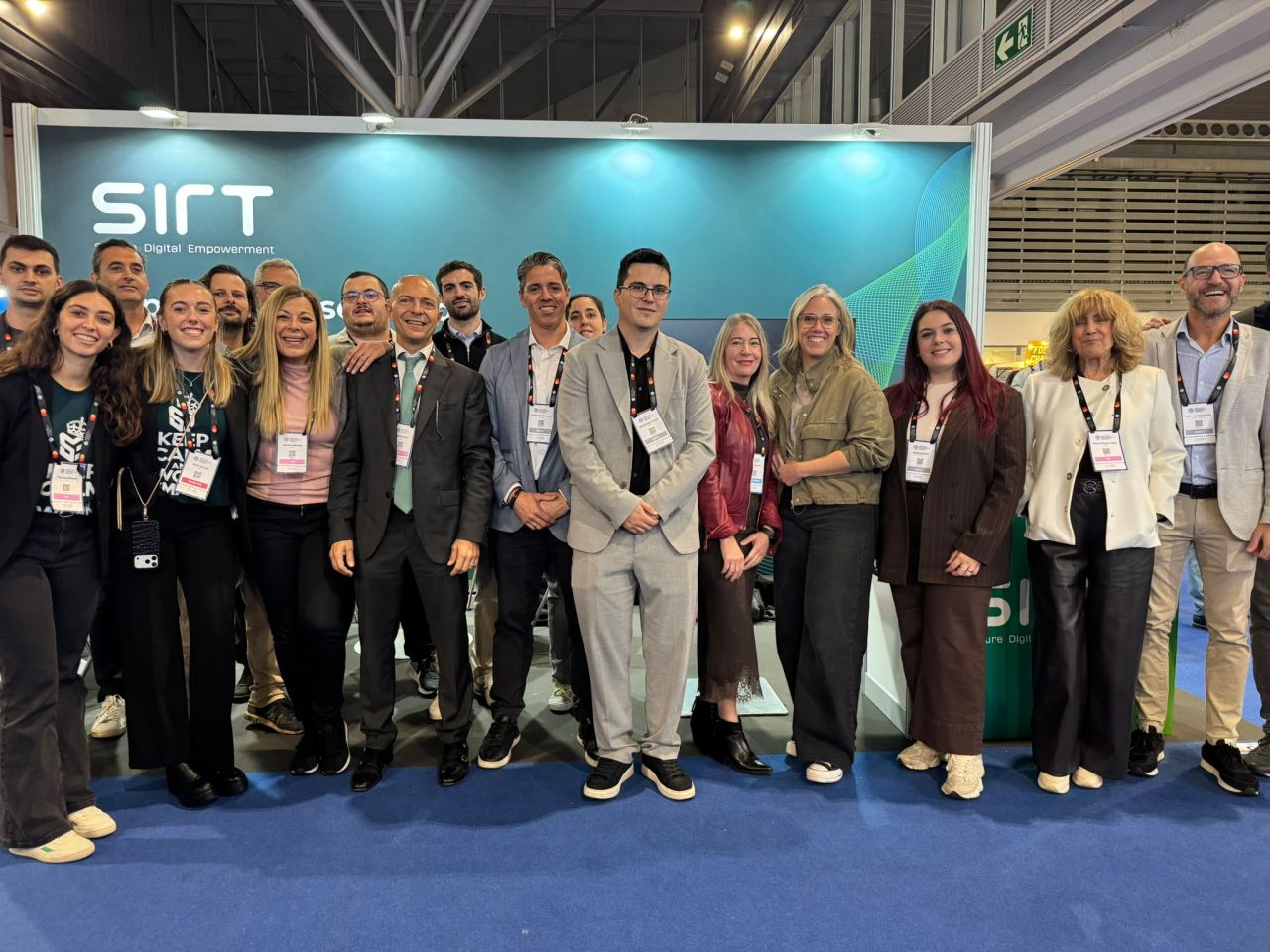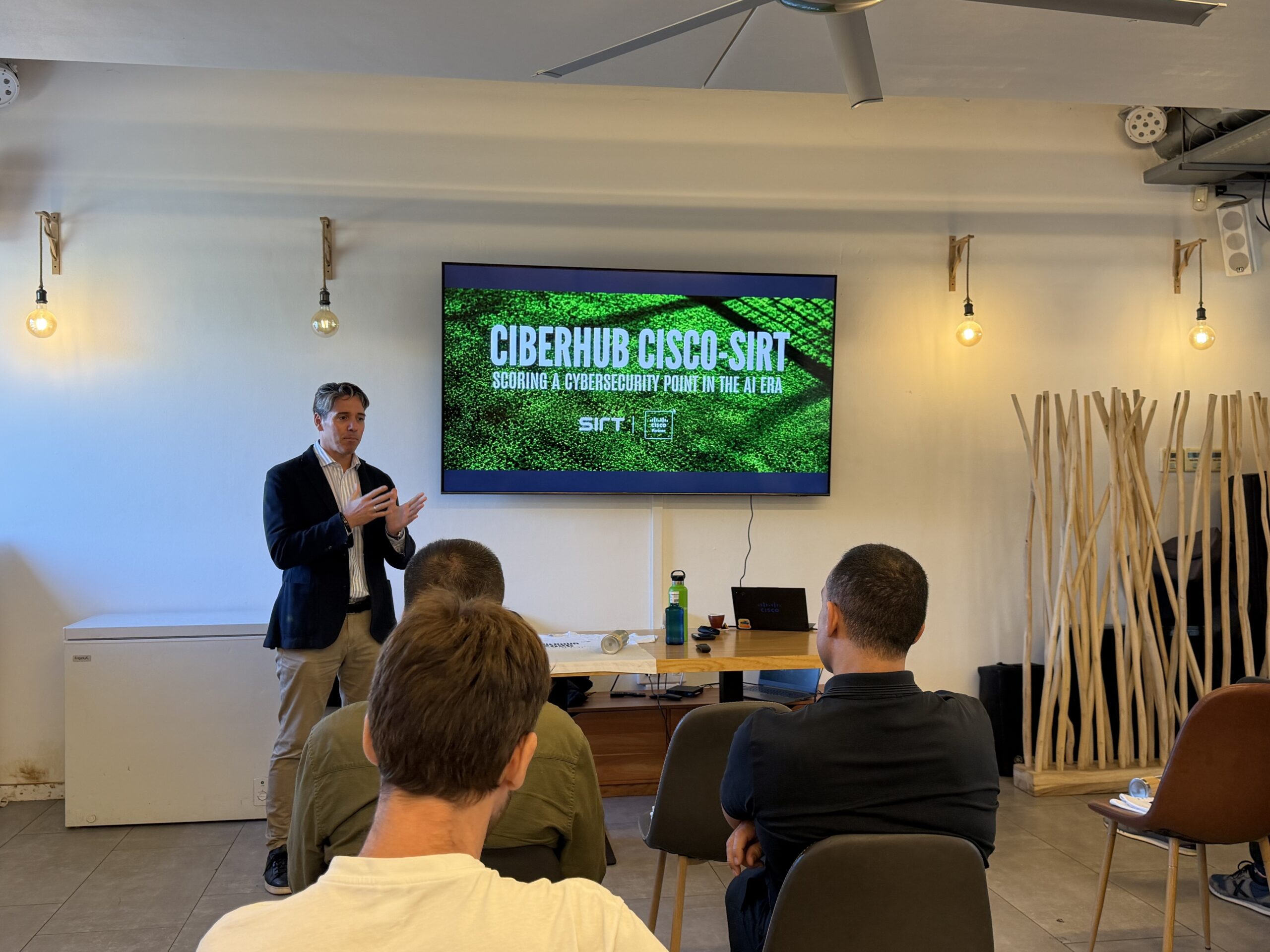
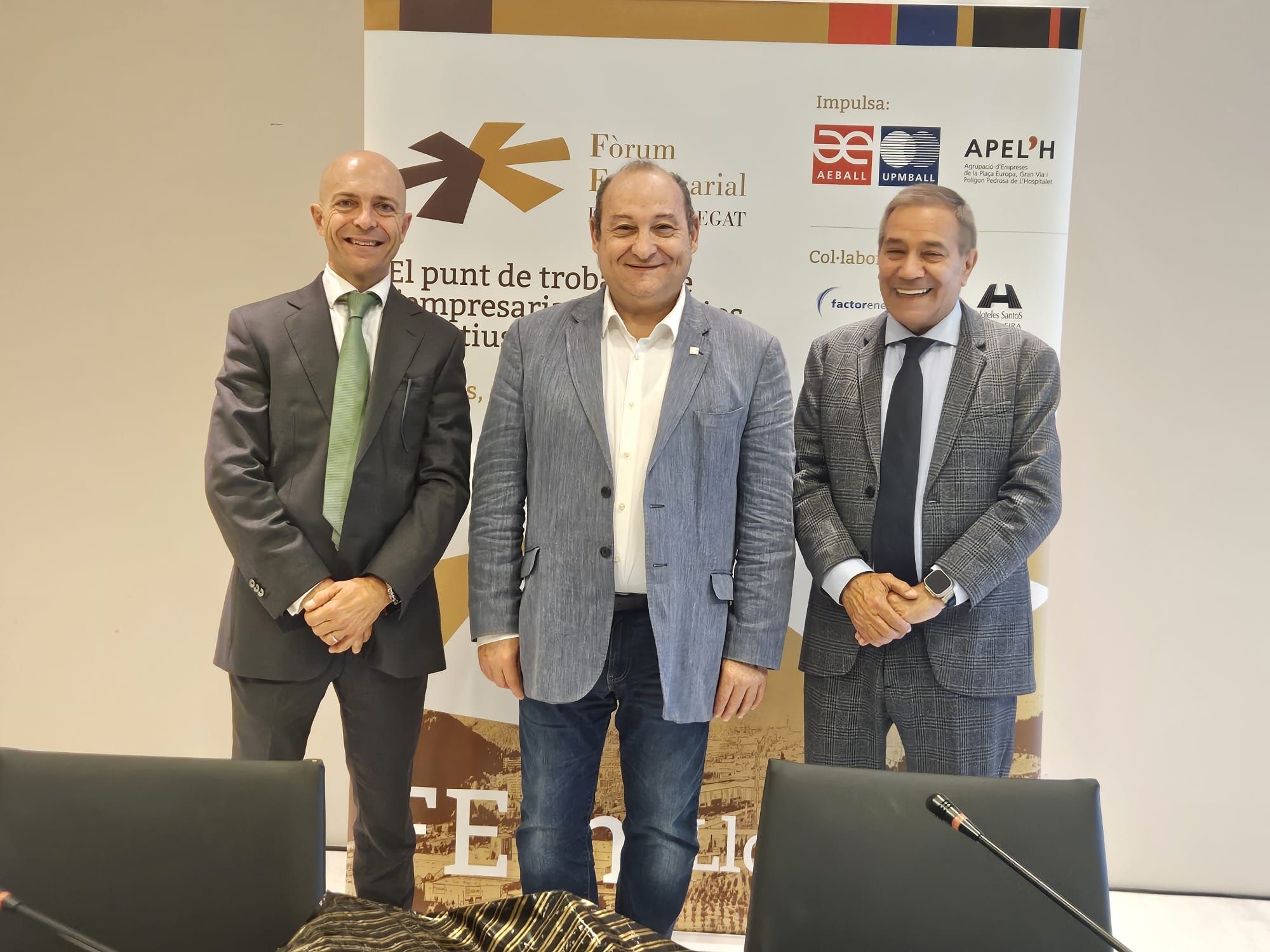
Last Wednesday, November 6, we attended the Business Breakfast hosted by the Llobregat Business Forum, an event that brought together key figures from institutions and the business community of Baix Llobregat and L’Hospitalet. Our CEO, David Garriga Carrera, participated in this event chaired by Santiago Ballesté, which featured remarks by Carles Ruiz Novella, the new president of Ferrocarrils de la Generalitat de Catalunya (FGC).
The session provided an opportunity to analyze the future of rail transportation and its impact on economic competitiveness, sustainability, and regional connectivity. It also served as a forum for open dialogue where companies and institutions shared their perspectives on the challenges Catalonia faces in the area of strategic infrastructure.
Mobility as a Driver of Cohesion and Territorial Value
During his remarks, Carles Ruiz emphasized a key message:
“Public transportation—and rail in particular—must bring people together and create value in the region.”
At SIRT, we fully share this vision. We know that mobility is not just a service, but an essential element for strengthening economic activity, improving quality of life, and moving toward more sustainable cities.
In addition, Ruiz emphasized that FGC is embarking on a period of profound transformation that combines technological innovation, sustainability, and operational efficiency to address current and future challenges.
The Baix Llobregat and L’Hospitalet: A Strategic Hub for the Country
Meanwhile, AEBALL / UPMBALL highlighted the region’s true economic importance to the Catalan economy:
- More than 26,000 active companies.
- More than 400,000 workers.
- A leading industrial and logistics ecosystem in Catalonia.
The urgent need to improve rail connectivity with key infrastructure such as the following was raised:
- Barcelona-El Prat Airport.
- The Free Trade Zone.
- The industrial parks in the area.
Robust and efficient mobility is essential to ensuring the competitiveness of this major economic corridor.
FGC's New Strategic Projects
Throughout the meeting, the president of FGC outlined the main projects that will shape the evolution of the rail system in the coming years. Among them are:
- Connecting the Vallès and Llobregat lines to create a more interconnected system.
- The new R Aeroport service, designed to improve fast and sustainable access to the airport.
- The Rodalies Lleida–Terrassa service, which will expand intercity transportation options.
- The Expansion of the Tram System in Tarragona: Moving Toward Cleaner Transportation Models.
In addition, Ruiz highlighted three cross-cutting themes:digital “
,” sustainability, and public-private collaboration. These are three aspects that we at SIRT consider essential for moving toward smart and green mobility.
Our Commitment to the Future of Mobility
As members of the Llobregat Business Forum, we at SIRT reaffirm our commitment to technological innovation applied to mobility.
We know that digital transformation is key to improving infrastructure efficiency, optimizing rail management, and enhancing user safety. That is why we actively collaborate on initiatives that connect companies, institutions, and the region.
In addition, we support a vision of sustainable mobility based on:
- Reducing environmental impact.
- Energy efficiency.
- Digital Resilience.
- The integration of advanced technological solutions.
Looking Ahead
Ultimately, participating in this Llobregat Business Breakfast allows us to continue contributing our expertise in technology, digitalization, and cybersecurity to help build a smarter, greener, and more competitive mobility model.
At SIRT, we will continue working to ensure that innovation serves as a transformative force for people, cities, and businesses.